Identification
-

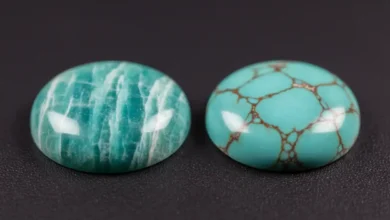
Amazonite vs Turquoise: Identity, Wear & Value Compared
Amazonite and turquoise can occupy almost the same visual territory—soft blue, greenish blue, turquoise-green, opaque to translucent surfaces, white or…
Read More » -
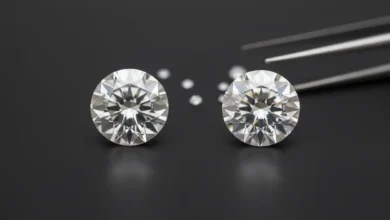
White Topaz vs Diamond: How to Tell Them Apart
White topaz and diamond can both appear transparent and colorless in jewelry, but they are fundamentally different gemstones. White topaz…
Read More » -
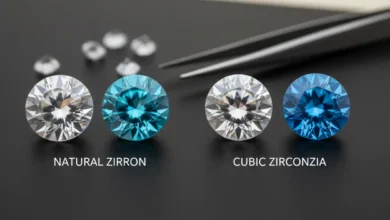
Zircon vs Cubic Zirconia: How to Tell Them Apart
Zircon and cubic zirconia are frequently confused because their names sound similar, but they are completely different gemstone materials. Zircon…
Read More » -
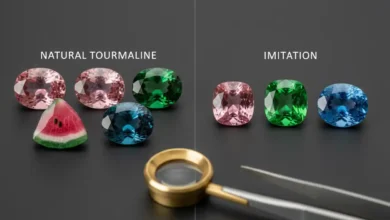
Real vs Fake Tourmaline: How to Tell the Difference
Real tourmaline is a natural borosilicate mineral from a chemically diverse group that occurs in almost every major gemstone color.…
Read More » -
White Sapphire vs Diamond: How to Tell Them Apart
White sapphire and diamond can both produce a bright, colorless center-stone look, but they are fundamentally different gemstones. White sapphire…
Read More » -
How to Spot Treated or Synthetic Tourmaline
Tourmaline is valued for an extraordinary range of colors, from black and earthy brown to vivid green, blue, pink, red,…
Read More » -
Real vs Fake Zircon: How to Tell the Difference
Real zircon is a natural zirconium silicate gemstone with the formula ZrSiO₄. Fake zircon, by contrast, is not one specific…
Read More » -
White Topaz vs Cubic Zirconia: How to Tell Them Apart
White topaz and cubic zirconia can both appear as transparent, colorless gemstones, so they are sometimes used in similar jewelry…
Read More » -
How to Spot Treated or Synthetic Zircon
Zircon is a natural gemstone, but a large share of the zircon sold in jewelry has been heat treated—especially vivid…
Read More » -
White Sapphire vs Moissanite: Differences, Durability & Sparkle
White sapphire and moissanite can both create a bright, colorless center stone without using diamond, but they do not look…
Read More »