

Smoky Quartz prices in 2026 commonly range from approximately $1 to $30 per carat. Commercial faceted stones, cabochons and polished points usually sit below $10 per carat, while fine precision-cut gems may reach $20 to $50 per carat.
Exceptional natural crystals, Alpine specimens, phantom formations and lapidary artwork follow separate collector markets. Their value depends on crystal form, provenance, inclusions, condition and craftsmanship rather than an ordinary price-per-carat calculation.
Smoky Quartz Price per Carat in 2026
The following ranges describe broad U.S. retail expectations for loose polished Smoky Quartz.
| Smoky Quartz quality | Typical characteristics | Approximate 2026 retail price |
|---|---|---|
| Entry commercial | Pale or extremely dark, mass-produced, visibly windowed or included | $1–$5 per carat |
| Good commercial | Attractive smoky brown, eye-clean and competently cut | $5–$15 per carat |
| Fine | Balanced gray-brown color, strong transparency and good proportions | $10–$30 per carat |
| Premium precision cut | Custom design, superior polish, strong brilliance and attractive color | $25–$75 per carat |
| Exceptional collector material | Rare natural crystal form, important locality, unusual inclusions or major lapidary work | $75+ per carat equivalent |
Large ordinary stones often cost less per carat because clean quartz crystals can grow to substantial sizes.
The general interaction among color, cutting, size and demand appears in How Gemstone Prices Are Determined.
What Is Smoky Quartz?
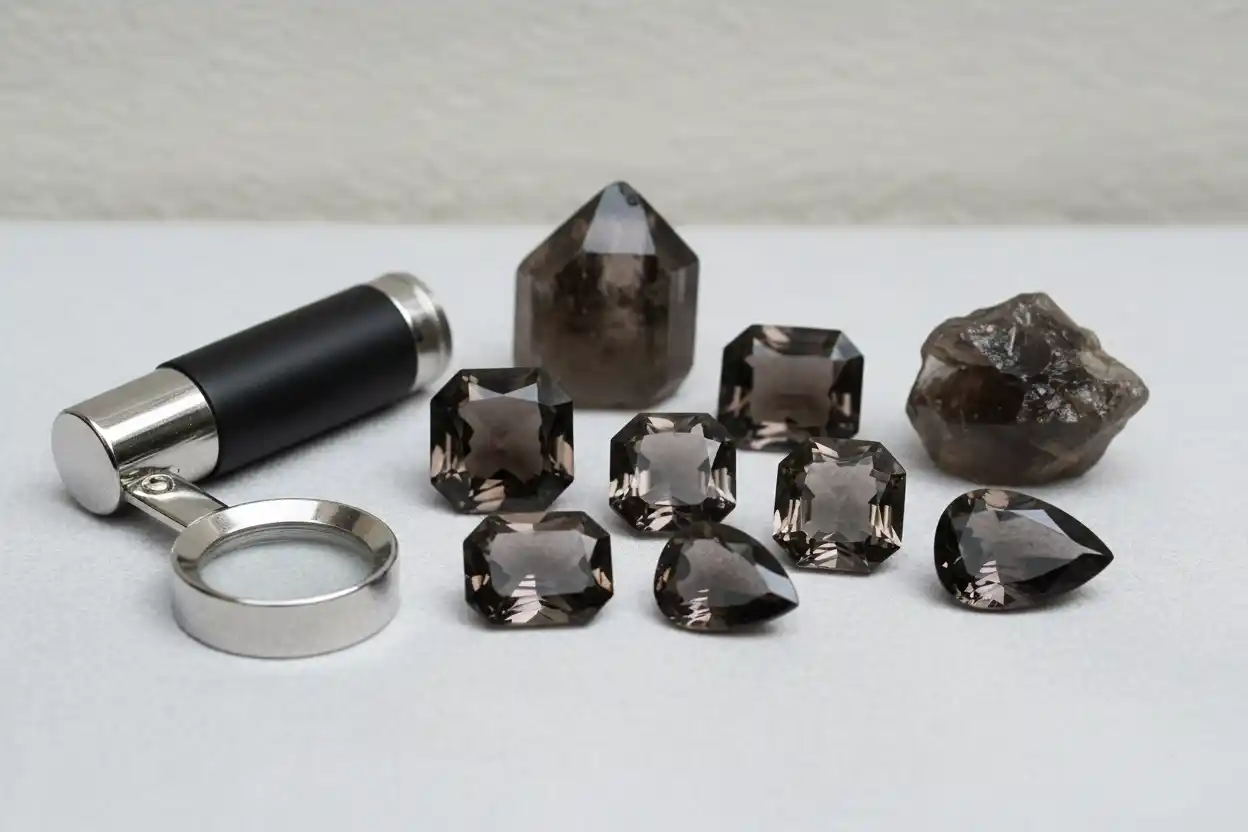
Smoky Quartz is the gray, brown or nearly black variety of crystalline quartz.
Its color develops when natural or artificial radiation interacts with aluminum-related defects inside the crystal structure.
The color range includes pale champagne-gray, warm brown, cognac, dark chocolate, gray-black and nearly opaque black.
Very dark material is often called Morion, while light brownish-gray stones may be marketed under names such as Cairngorm or smoky topaz.
The completed Smoky Quartz guide owns the mineral’s geology, physical properties and traditional symbolism.
The completed Quartz guide explains the broader family relationship.
Smoky Quartz Is Quartz, Not Topaz
The phrase smoky topaz is misleading. Smoky Quartz and Topaz are separate minerals with different hardness, refractive properties, cleavage and market values.
Quartz has a Mohs hardness of 7 and no cleavage. Topaz has a hardness of 8 but perfect cleavage.
Brown Topaz can be more valuable than ordinary Smoky Quartz, particularly when it has attractive natural color and fine cutting.
A seller should identify the material as Smoky Quartz rather than using the Topaz name to imply greater rarity.
The completed Topaz guide owns the other mineral’s identity, while its current market belongs to the planned Topaz Price Guide.
Color and Smoky Quartz Value
Fine Smoky Quartz shows an attractive gray-brown or warm brown body with enough transparency to produce brilliance.
Pale stones can appear almost colorless once mounted, while extremely dark material may look black and lifeless except around thin edges.
Medium tone normally offers the strongest jewelry value. It preserves the smoky identity without hiding reflections.
Warm cognac and chocolate shades appeal to buyers seeking autumnal or neutral jewelry colors. Cooler gray-brown material can create a more modern appearance.
Brown, gray and black are not standardized grades. The value depends on how the complete stone performs face-up.
The broader market for neutral dark gems appears in Black Gemstones.
Morion Quartz Prices
Morion is a trade and mineral-collector term for very dark brown-to-black Smoky Quartz.
Commercial faceted Morion may cost only $2 to $15 per carat because dark color is not inherently rare.
Fine crystals can be more valuable when they have sharp terminations, high luster, undamaged faces and documented provenance.
A nearly black faceted stone should not receive a premium if it lacks brilliance. Many buyers prefer medium-dark Smoky Quartz that reveals internal depth.
Morion specimens from classic Alpine, Russian, Ukrainian or American localities can cost hundreds or thousands of dollars as complete objects.
Their value comes from natural crystal form and locality rather than black color alone.
Cairngorm Smoky Quartz
Cairngorm is a traditional name associated with smoky yellow-brown quartz from Scotland’s Cairngorm Mountains.
Antique Scottish jewelry often uses faceted Cairngorm Quartz in brooches, kilt pins and traditional Highland designs.
A documented antique piece can be worth far more than an ordinary loose Smoky Quartz because age, silverwork, maker and cultural provenance dominate the value.
Modern sellers sometimes use Cairngorm loosely for any warm brown quartz. The term should not create a geographic premium without credible Scottish provenance.
Natural vs Irradiated Smoky Quartz
Natural geological radiation can create smoky color over long periods.
Commercial quartz may also be irradiated intentionally to produce or deepen gray, brown or black color.
The treatment can affect the entire crystal or create concentrated zones, depending on the quartz and irradiation process.
Irradiated Smoky Quartz remains quartz and can be suitable for jewelry. However, treatment should be disclosed because natural-color provenance may matter to collectors.
Treatment does not justify a high price. Irradiated commercial quartz is widely available and should remain in the affordable market.
The broader disclosure framework appears in Gemstone Treatments Explained.
Is Irradiated Smoky Quartz Radioactive?
Properly released irradiated gemstones should comply with applicable safety controls.
Irradiation changes color by altering electronic defects in the crystal structure. It does not automatically make the finished stone dangerously radioactive.
National regulations govern the release of irradiated gemstones from treatment facilities.
A buyer should still purchase from established suppliers who disclose treatment and follow regulatory requirements.
The more relevant consumer issue is usually treatment disclosure and color stability rather than residual radiation.
Heat and Color Stability
Heating Smoky Quartz can lighten or remove its brown color.
Controlled heating may transform suitable smoky material toward yellow, orange or nearly colorless appearances.
This relationship helps explain why Smoky Quartz, Citrine and some treated quartz products can overlap in commercial supply chains.
Ordinary wear temperatures should not normally alter stable Smoky Quartz. However, jeweler’s torch heat, prolonged high temperatures and deliberate heating can cause visible changes.
A valuable collector crystal should be kept away from intense heat because its original natural color contributes to provenance.
Clarity and Transparency
Faceted Smoky Quartz is generally expected to appear eye-clean.
Quartz crystals can grow large and transparent, so obvious fractures, dark inclusions and dense clouds reduce commercial value.
Natural inclusions can add collector interest when they form attractive phantoms, veils or mineral associations.
The market should distinguish between an included gemstone and an intentional inclusion specimen. A fine phantom crystal follows different criteria from a clean faceted oval.
Surface-reaching fractures can collect dirt and weaken polished points. They should reduce the price unless the specimen’s geological interest outweighs the damage.
Cut Quality
Smoky Quartz rough is widely available and affordable, so poor cutting should not receive a premium.
A shallow pavilion creates a transparent window. Excessive depth adds hidden weight and may make the stone unnecessarily dark.
Ovals, cushions, pears and emerald cuts are common in production jewelry. Large rounds, fantasy cuts and concave designs are also available.
Precision cutting can become the main source of value. A custom stone may cost $30 to $75 per carat even though the rough itself was inexpensive.
Fine cutting should produce even reflections, good polish and a balanced face-up spread.
Detailed stone inspection belongs to the Smoky Quartz Buying Guide.
Smoky Quartz Prices by Size
Smoky Quartz remains affordable at large carat weights.
| Carat weight | Commercial quality | Fine or precision-cut quality |
|---|---|---|
| Under 2 ct | $1–$10 per carat | $10–$40 per carat |
| 2–5 ct | $1–$8 per carat | $10–$35 per carat |
| 5–10 ct | $1–$7 per carat | $8–$30 per carat |
| 10–25 ct | $1–$5 per carat | $8–$25 per carat |
| Above 25 ct | Often priced by piece | Custom cutting and design dominate |
A twenty-carat commercial stone can cost less per carat than a two-carat precision-cut gem.
Large size becomes valuable only when exceptional cutting, natural crystal form or unusual inclusions create a separate collector interest.
Brazil and Madagascar Smoky Quartz
Brazil supplies substantial quantities of faceting rough, polished points and crystal specimens.
Brazilian material can range from pale brown to near-black Morion. Broad availability keeps ordinary prices low.
Madagascar also produces clean faceting material and large crystals, sometimes with internal phantoms or mineral inclusions.
Origin rarely affects the price of an ordinary faceted stone. A fine cut from Madagascar can be worth more than a poorly cut Brazilian stone.
For natural crystals, mine or regional provenance can matter when the locality is recognized among collectors.
Alpine Smoky Quartz
The European Alps have produced important Smoky Quartz crystals from clefts and fissures.
Fine Alpine specimens may show exceptional luster, transparent brown color, sharp terminations and attractive associations with Feldspar, Chlorite or other minerals.
Historical collection labels and documented find locations can create substantial premiums.
A collector specimen should not be polished or recut merely to increase apparent clarity. The natural faces and locality history often hold more value than the potential faceted yield.
Damage, repaired terminations and artificial cleaning should be disclosed.
Arkansas and North American Material
Arkansas is better known for clear quartz, although smoky and irradiated-looking natural material can occur.
Colorado, New Hampshire and other North American regions also produce Smoky Quartz crystals.
New Hampshire recognizes Smoky Quartz as its state gemstone, creating additional local and souvenir demand.
Ordinary locality pieces remain affordable. Fine crystals with complete form, strong luster and documented mine provenance can enter higher specimen tiers.
Smoky Quartz vs Citrine
Smoky Quartz and Citrine are both quartz varieties.
Smoky Quartz is gray to brown because of radiation-related color centers, while Citrine is yellow to orange.
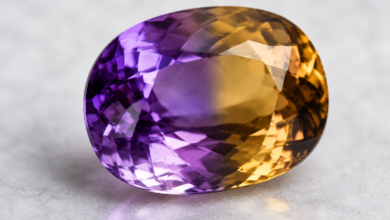
Some stones combine smoky brown and yellow zones. Commercial names may include smoky Citrine or Madeira-like smoky quartz, but identity should follow the dominant appearance.
The complete distinction belongs to Smoky Quartz vs Citrine.
Current Citrine pricing appears in the Citrine Price Guide.
Smoky Quartz vs Amethyst and Ametrine
Amethyst is purple quartz. Heat and irradiation can modify colors among different iron-bearing quartz materials.
Current Amethyst pricing appears in the Amethyst Price Guide.
Ametrine combines Amethyst and Citrine zones in one crystal. It does not normally include a smoky component as its defining feature.
Color zoning should be natural or clearly disclosed when treatment created the final appearance.
The completed Ametrine guide owns the bicolor material’s identity.
Smoky Quartz Types
The tracker assigns the full classification of pale smoky, Morion, Cairngorm, included, phantom and locality-related material to Types of Smoky Quartz.
This price guide uses those categories only where they affect value.
A marketing name should not create an automatic premium. For example, “Tibetan Smoky Quartz” or “Himalayan Morion” needs credible provenance before locality can affect price.
Smoky Quartz Crystals and Specimens
Natural crystal specimens are priced by piece rather than carat.
| Specimen category | Broad 2026 retail range |
|---|---|
| Small commercial point | $5–$30 |
| Polished tower or palm stone | $15–$150 |
| Good natural crystal specimen | $50–$500 |
| Fine Alpine or documented locality specimen | $500–$5,000+ |
| Museum-scale cluster or historical specimen | Individually evaluated |
Size alone does not create value. Broken points, dull faces, glue repairs and artificial coatings reduce specimen quality.
A smaller pristine crystal can cost more than a large damaged cluster.
Smoky Quartz Jewelry Prices in 2026
| Jewelry type | Broad U.S. retail range |
|---|---|
| Silver earrings or pendant | $30–$250 |
| Silver statement ring | $75–$500 |
| Gold pendant or earrings | $300–$2,000 |
| Gold Smoky Quartz ring | $400–$3,000 |
| Large designer or precision-cut jewel | $1,500–$10,000+ |
The setting usually contributes more value than the loose stone.
Gold, Diamonds, custom labor and designer authorship can transform inexpensive quartz into a high-priced finished jewel.
Jewelry-specific care belongs to How to Clean Smoky Quartz Jewelry Safely.
Authenticity and Imitations
Brown glass, synthetic quartz and artificially irradiated quartz can resemble natural Smoky Quartz.
Synthetic quartz has the same general composition but laboratory-grown origin. It should cost less than natural collector material.
Visual inspection may not distinguish natural from synthetic quartz conclusively.
For ordinary inexpensive jewelry, seller disclosure is usually sufficient. Independent testing becomes more useful when natural origin, rare locality or untreated color creates a premium.
The phrase smoky topaz is not evidence of authenticity and should be avoided.
Certification and Appraisal
Most commercial Smoky Quartz does not need a major laboratory report.
Testing becomes more useful when:
- Natural-color provenance creates a premium
- Synthetic origin is suspected
- A rare locality is claimed
- An unusual inclusion or phantom is important
- A major precision-cut gem requires insurance documentation
- A specimen has substantial collector value
A laboratory can identify quartz and may characterize some treatment evidence. It may not always prove whether radiation occurred naturally or artificially.
The Gemstone Certification Labs comparison explains report limitations.
Does Smoky Quartz Hold Its Value?
Commercial Smoky Quartz has limited resale value because clean material is abundant.
Precision-cut stones may retain part of their value through recognized lapidary authorship.
Fine natural crystals, Alpine specimens and historic locality pieces can attract mineral collectors. Provenance and condition are critical in that market.
Finished jewelry often retains more value through gold, Diamonds and brand than through the quartz center.
The broader resale framework appears in Do Gemstones Hold Their Value?.
Price Guide vs Buying Guide
This page owns Smoky Quartz’s 2026 price ranges and market categories. Detailed stone inspection, treatment questions and seller comparison belong to the dedicated buying guide.
Online buyers should request neutral-light photographs, exact dimensions, treatment disclosure and a return period through How to Buy Gemstones Online Without Getting Scammed.
The Buying & Value hub connects Smoky Quartz pricing with Citrine, Amethyst, treatment, certification and resale content.
Frequently Asked Questions
1. How much is Smoky Quartz worth per carat in 2026?
Most faceted Smoky Quartz costs approximately $1 to $30 per carat. Precision-cut stones may reach $25 to $75 per carat.
2. What Smoky Quartz color is most valuable?
Balanced medium gray-brown or warm brown with strong transparency generally provides the best jewelry value.
3. Is black Morion Quartz expensive?
Ordinary faceted Morion is affordable. Fine natural crystals from important localities can be valuable as mineral specimens.
4. How much is a ten-carat Smoky Quartz?
A commercial ten-carat stone may cost $10 to $100. A precision-cut gem can cost several hundred dollars.
5. Does large Smoky Quartz cost more per carat?
Usually not. Large clean quartz crystals are available, so per-carat prices often decline with size.
6. Is irradiated Smoky Quartz real?
It is real quartz whose color was created or intensified through treatment. The treatment should be disclosed.
7. Is irradiated Smoky Quartz dangerous?
Properly released treated gemstones should comply with regulatory safety requirements. Treatment disclosure remains important.
8. Can Smoky Quartz fade or change color?
Strong heat can lighten or remove its brown color. Ordinary wear is less likely to cause a visible change.
9. Is smoky topaz actually Topaz?
Usually not. Smoky topaz is a misleading name commonly applied to Smoky Quartz.
10. Does Smoky Quartz need a certificate?
Ordinary stones do not. Testing becomes useful for rare locality, natural-color, synthetic-origin or valuable specimen claims.
11. Does Smoky Quartz hold its value?
Commercial stones generally resell below retail. Fine locality crystals and recognized precision cuts may interest collectors.
12. Is Smoky Quartz a good investment?
Ordinary Smoky Quartz is not an investment gem. Important mineral specimens may retain value, but the market is specialized.
Smoky Quartz Value Comes From Design and Provenance
Smoky Quartz is naturally attractive but broadly available. Large weight and dark color therefore do not create the strongest price.
In 2026, good faceted stones commonly fall between $5 and $30 per carat. Higher prices should correspond to precision cutting, exceptional crystal form, notable inclusions or documented locality—not a misleading smoky-topaz label or artificially darkened color.