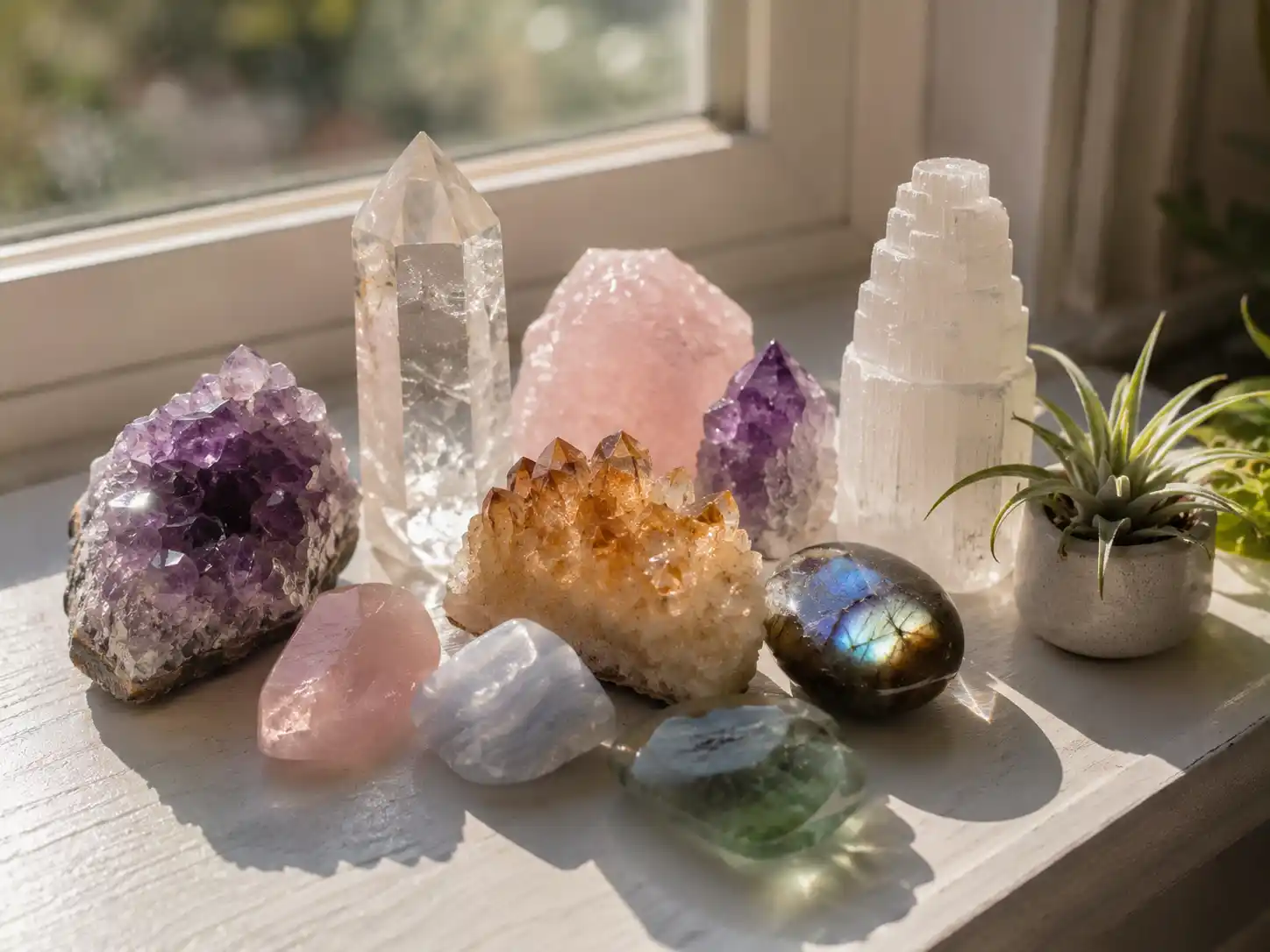
Are Crystals Worth It? 9 Honest Answers About Cost, Value & Common Myths
Are crystals worth it? They can be, but the answer depends on why you are buying them. A well-chosen crystal can justify its price as a mineral specimen, decorative object, piece of jewelry, geological collectible, lapidary stone, or personally meaningful keepsake. A purchase becomes much harder to justify when the price depends mainly on unsupported promises that a crystal will cure illness, guarantee love, attract wealth, or provide supernatural protection.
For most buyers, deciding are crystals worth it starts with separating physical value from personal value. Physical value comes from mineral species, rarity, size, crystal form, color, clarity, locality, condition, treatment, craftsmanship, and market demand. Personal value can come from appearance, collecting enjoyment, symbolism, meditation, or the story attached to a specimen. Those forms of value can matter without becoming medical evidence or guaranteed resale value.
Crystals also span an enormous price range. A small tumbled quartz can cost only a few dollars, while an exceptional mineral specimen or fine gem crystal can sell for hundreds, thousands, or far more. The useful question is whether a particular specimen offers enough verified quality, enjoyment, or collecting interest for its asking price.
9 Honest Answers to “Are Crystals Worth It?”
- Yes, when you value crystals for geology, collecting, decoration, jewelry, craftsmanship, or personal symbolism.
- Yes, inexpensive specimens can provide genuine collecting enjoyment without a large budget.
- Sometimes, rare locality specimens, exceptional crystals, and fine gem rough can justify substantial prices.
- No, a high price is not justified merely because a seller promises healing, luck, wealth, or supernatural protection.
- Treatment, dye, coatings, reconstruction, and synthetic products can reduce value when they are undisclosed or misrepresented.
- Size alone does not determine worth; color, crystal form, condition, rarity, locality, and aesthetics may matter more.
- Ethical sourcing and reliable disclosure can make a purchase more worthwhile even when the cheapest option costs less.
- Crystals should not be assumed to appreciate like conventional investments because resale demand is unpredictable.
- The best value usually comes from buying specimens you understand and genuinely want rather than chasing trends.
Are Crystals Worth It at Typical Retail Prices?
The entry cost for crystal collecting can be modest. Common minerals such as quartz, rose quartz, amethyst, calcite, and commercial black tourmaline are widely available, although price changes with size, quality, preparation, and seller markup. Typical current online retail prices illustrate how quickly costs can move from a few dollars for a small polished stone to hundreds for a large display piece.
| Common Crystal Format | Typical Current Online Retail Range |
|---|---|
| Small tumbled clear quartz, about 0.75–1 inch | $4–$7 |
| Small tumbled rose quartz, about 0.5–1 inch | $5–$7 |
| Rose quartz touchstone or small palm-style piece | $10–$25 |
| Small amethyst cluster, about 1–2 inches | $15–$25 |
| Medium amethyst cluster, about 2–4 inches | $25–$40 |
| Small clear quartz cluster | $8–$25 |
| Medium clear quartz cluster | $25–$40 |
| Small raw or sliced black tourmaline | $5–$20 |
| Small black tourmaline tower, roughly 1.5–2 inches | $25–$35 |
| Medium black tourmaline tower, roughly 2.5–3.25 inches | $45–$60 |
| Larger polished black tourmaline display piece | $90–$250+ |
| Natural quartz-tourmaline collector cluster | $30–$60+ |
These ranges show why the answer to are crystals worth it changes with the object. A $5 tumbled quartz and a $200 collector specimen are not equivalent even when both contain quartz. The collector piece may have undamaged terminations, unusual inclusions, outstanding clarity, attractive associations with other minerals, or a desirable locality. Large, rare, historic, or museum-quality specimens can cost far more.
What Actually Makes a Crystal Valuable?
When people ask are crystals worth it, price often gets confused with rarity. A high price does not automatically mean a crystal is rare, and a rare mineral is not automatically attractive or commercially desirable. Market value develops from several characteristics acting together.
For transparent colored gems, color, clarity, cut, size, origin, treatment, and rarity often matter. Mineral-specimen collectors may care more about crystal form, undamaged terminations, luster, matrix aesthetics, locality, specimen history, and how unusual the formation is. Quartz is common, yet a remarkable quartz cluster with exceptional geometry, transparency, inclusions, or provenance can still command a premium.
Condition matters because broken crystal terminations cannot simply regrow after mining. Repairs, glued crystals, filled fractures, coatings, or reconstructed clusters can affect collectibility. They do not automatically make a specimen undesirable, but disclosure changes whether the price makes sense. Learning how to tell if a crystal is real also reduces the chance of paying natural-crystal prices for glass, resin, synthetic products, dyed stones, or misleading trade names.
Are Crystals Worth It for Healing or Wellness Claims?
If the main reason for an expensive purchase is a promise to treat disease or a mental health condition, are crystals worth it becomes a different question. There is no established scientific evidence that crystals cure disease, detoxify the body, regulate hormones, repair organs, improve fertility, treat depression, remove trauma, or deliver a specific medical effect through invisible gemstone energy.
Placebo-controlled research has not demonstrated a specific healing effect from crystals beyond expectation and belief. In a randomized study comparing real rose quartz with visually similar placebo stones, reported anxiety improvement occurred among believers regardless of whether they received the genuine crystal or the placebo. That finding supports expectancy rather than a unique therapeutic action from the mineral.
A crystal can still have personal value. It may serve as a meditation object, sensory focus, reminder of a goal, decorative piece, or meaningful gift. When deciding are crystals worth it for wellness use, the defensible value comes from enjoyment and reflective practice rather than paying a premium for unproven health promises.
Are Crystals Worth It for Starting a Collection?
For a new collector, are crystals worth it can have a straightforward answer: crystals offer an accessible entry into geology. A small collection can demonstrate different crystal systems, hardness levels, cleavage, luster, color mechanisms, inclusions, growth habits, and geological environments without requiring rare specimens.
A modest budget is enough to start a crystal collection with examples such as quartz, calcite, gypsum, fluorite, feldspar, pyrite, amethyst, and common tourmaline. Choosing varied specimens can teach more than buying several nearly identical polished towers.
Labels also add value. Record the mineral name, locality when known, seller, purchase price, dimensions, and treatment information. A $10 specimen that teaches crystal form or mineral association may provide years of interest, while a $100 impulse purchase can disappoint if it was bought only because a seller described it as unusually powerful.
When Higher Crystal Prices Make Sense
Another way to judge are crystals worth it is to ask what explains the premium. Large natural crystals require more geological luck than small fragments. Fine specimens may combine sharp crystal form, high luster, vivid color, undamaged surfaces, attractive matrix, unusual mineral associations, and a desirable locality. Extraction can also be difficult because crystals may break before reaching the market.
Cutting and polishing add labor and waste. A carved sphere, polished tower, cabochon, or faceted gem begins with rough larger than the finished object. Fractures, poor color zones, and unwanted inclusions may need removal, so part of the original weight disappears during cutting. Skilled lapidary work can therefore add legitimate value.
Historic provenance or a documented closed-mine locality can also raise collector interest. Still, words such as rare, master healer, investment grade, or museum quality should never substitute for visible and documentable characteristics.
Treatments, Fakes, and Misleading Names Change Value
Treatments are common across the gem and mineral market, and many are legitimate when disclosed. Heat can alter color in some gemstones, irradiation creates or modifies color in others, agate and quartz may be dyed, porous stones can be stabilized, and some gems receive coatings or fracture filling.
The question are crystals worth it becomes harder when sellers hide these changes. A dyed stone may still be attractive and worth owning at an appropriate price, but it should not be sold as a rare natural color. Synthetic quartz is genuine crystalline quartz grown by people, yet it should not be represented as naturally mined. Glass can be beautiful, but it is not a natural crystal merely because it resembles one.
For expensive pieces, expert gemological identification can be more dependable than home tests involving temperature, scratching, bubbles, or color alone.
Ethical Sourcing Can Add Real Purchase Value
For many buyers, are crystals worth it includes how a specimen reached the market. Mining can support livelihoods, yet poor operations can also involve unsafe labor, environmental damage, weak traceability, or unfair compensation. Supply chains for inexpensive decorative stones are often less transparent than buyers assume.
Choosing ethically sourced crystals starts with specific questions about country or mine locality, treatments, seller relationships, and what can actually be documented. Perfect traceability is not always available, especially for inexpensive minerals, but transparent uncertainty is better than invented origin stories.
Paying somewhat more for credible sourcing, careful preparation, accurate labels, and responsible labor can make a crystal more worthwhile when those values matter to the buyer.
Are Crystals Worth It as an Investment?
If investment return is the main goal, are crystals worth it requires caution. Some exceptional gemstones and important mineral specimens have appreciated, but ordinary retail crystals do not offer predictable returns. Retail markup, trends, shipping, auction fees, dealer margins, condition, provenance, and the number of future buyers all affect resale.
A polished stone bought for $30 may not have a buyer willing to pay $30 later. Common minerals may remain readily available, while short-lived trends can temporarily raise demand. Even a genuinely rare specimen needs the right buyer.
Collectors are usually better served by purchasing pieces they would still enjoy if resale value remained flat. Documentation, careful storage, accurate identification, and retained receipts can protect value, but none guarantees profit.
A Better Test Before Spending Money on a Crystal
When deciding are crystals worth it, start with why you want the piece. If the answer is appearance, geology, jewelry, collecting, craftsmanship, cultural interest, or personal symbolism, compare the price with specimens of similar size and quality. Check mineral identity, treatments, repairs, damage, and locality claims.
Set a budget before shopping. The market makes it easy to move from a $5 tumbled stone to a $100 tower or a four-figure collector specimen. A spending limit keeps the decision focused on quality and personal priorities.
Then ask one final question: would you still buy the crystal if every promise about healing, luck, manifestation, protection, or guaranteed appreciation disappeared? If the answer remains yes because the stone itself interests you, are crystals worth it becomes much easier to answer.
Conclusion
Are crystals worth it? They can be worthwhile as natural specimens, jewelry, decorative objects, educational tools, lapidary work, collectibles, or personally meaningful keepsakes. Common stones may cost only a few dollars, while exceptional specimens justify higher prices through rarity, quality, locality, craftsmanship, or provenance.
The weakest reason to pay a premium is an unsupported promise of medical healing, guaranteed luck, wealth, or investment growth. Knowing what the crystal actually is and why you want it makes value much easier to judge.
FAQs
Are Crystals Worth It for Beginners?
Yes, when the goal is collecting, learning, decoration, or enjoyment. Beginners can start with inexpensive common minerals rather than rare or heavily marketed specimens.
Are Crystals Worth It if They Cost Only a Few Dollars?
They can be. Price does not determine educational or personal value, and inexpensive quartz, amethyst, calcite, and other common specimens can be genuinely interesting.
Are Crystals Worth It for Healing?
There is no established evidence that crystals provide specific medical healing effects. Personal rituals or meditation may still feel meaningful, but crystals should not replace appropriate healthcare.
Why Are Some Crystals So Expensive?
Rarity, color, size, crystal form, clarity, locality, condition, treatment, craftsmanship, provenance, and collector demand can all raise price.
Are Crystals Worth It as Investments?
They should not be assumed to be reliable investments. Exceptional gems and mineral specimens can appreciate, but ordinary retail crystals often have uncertain resale demand.
How Much Should a Beginner Spend on Crystals?
A useful first collection can begin with specimens costing roughly $5 to $30 each. Buying fewer well-identified pieces often provides better value than large bundles with little information.
Does a Bigger Crystal Have More Value?
Not automatically. Size matters, but condition, rarity, color, crystal form, aesthetics, treatment, and locality can have equal or greater influence.
How Do I Avoid Overpaying for Crystals?
Compare similar specimens, verify mineral identity, ask about treatments and repairs, check locality information, and ignore pricing arguments based only on metaphysical power.
Do Expensive Crystals Have Stronger Healing Energy?
There is no scientific evidence that price, size, rarity, color, or quality corresponds to stronger healing effects.
Crystals can hold decorative, geological, cultural, or personal value, but health claims should not replace qualified medical or mental health care.