Identification
-

Carat vs Millimeter Size Chart: Gem Dimensions by Shape
A carat vs millimeter size chart is useful because carats and millimeters answer different questions. Carat measures weight, while millimeters…
Read More » -
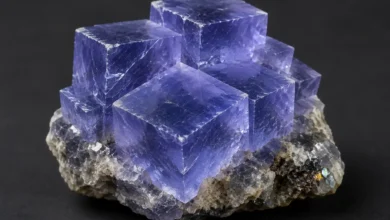
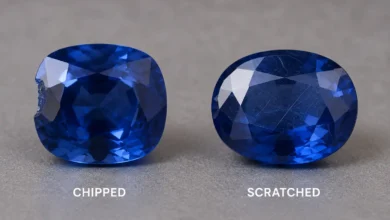
Gemstone Cleavage Explained: Why Hard Stones Still Chip
Gemstone cleavage is a mineral’s tendency to split along specific internal planes where atomic bonding is relatively weak. It explains…
Read More » -
Gemstone Toughness vs Hardness: Properties, Uses & Guide
Gemstone toughness vs hardness describes two different forms of resistance, and confusing them can lead to poor jewelry, care, and…
Read More » -
Kyanite vs Sapphire: Key Differences & How to Choose
Kyanite and sapphire can overlap so closely in blue that a well-cut stone viewed in a photograph may not reveal…
Read More » -
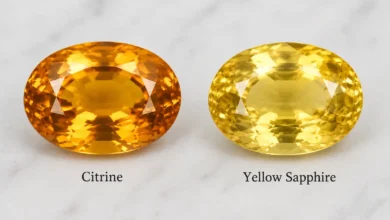
Citrine vs Yellow Sapphire: Differences That Matter
Citrine vs yellow sapphire can look like a simple choice between two yellow gemstones, yet the materials differ substantially in…
Read More » -
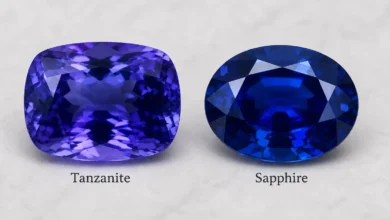
Tanzanite vs Sapphire: 9 Crucial Differences in Rarity, Beauty & Vibe
Tanzanite vs sapphire compares two of the most desirable blue to violet-blue gemstones, but they differ sharply in mineral identity,…
Read More » -
Sapphire vs Emerald vs Ruby: 10 Key Differences Among the Big Three Gems
Sapphire vs emerald vs ruby compares three of the world’s most recognized colored gemstones, but ruby and sapphire are much…
Read More » -
Real vs Fake Sapphire: 9 Reliable Tests for Authentic Jewels
Real vs fake sapphire identification requires more than checking whether a blue stone looks expensive or scratches glass. Genuine sapphire…
Read More » -
Treated Sapphire: Heat, Diffusion, and What to Ask
Sapphire is corundum in every color except red, which receives the variety name Ruby. Natural Sapphire may be blue, pink,…
Read More » -
Types of Sapphire: A Complete Guide to the Family
Sapphire is the name given to gem-quality corundum in every color except the red range classified as ruby. Blue is…
Read More »