Identification
-

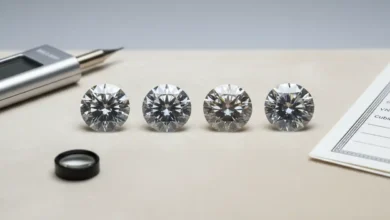
Real vs Fake Diamond: 12 Reliable Ways to Spot Genuine Stones
Real vs fake diamond identification has become more complicated because the modern market contains three fundamentally different categories that can…
Read More » -
Real vs Fake Clear Quartz: 8 Easy Tests for Authentic Crystal Energy
Real vs fake clear quartz identification should begin with mineral properties rather than assumptions about perfection, coldness, bubbles, or perceived…
Read More » -
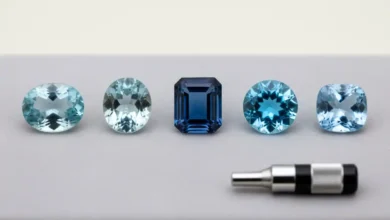
Real vs Fake Aquamarine: 9 Ways to Identify Genuine Beryl
Real vs fake aquamarine identification begins with mineral identity, not simply with finding a pale blue transparent gemstone. Genuine aquamarine…
Read More » -
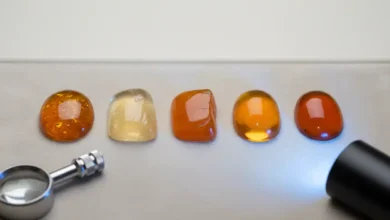
Real vs Fake Amber: 10 Simple Tests to Spot Authentic Resin
Real vs fake amber identification is more complicated than testing whether a yellow object floats in salt water or produces…
Read More » -
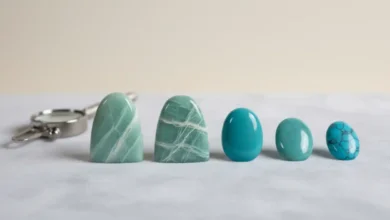
Real vs Fake Amazonite: 7 Key Differences to Identify Genuine Crystals
Real vs fake amazonite identification begins with understanding what amazonite actually is. Genuine amazonite is a green to blue-green variety…
Read More » -
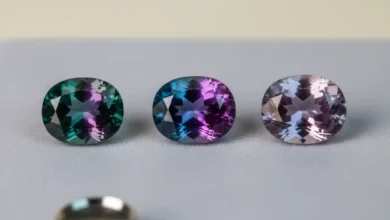
Real vs Fake Alexandrite: 8 Proven Tests for Genuine Color-Changing Gems
Real vs fake alexandrite identification is difficult because an attractive red-to-green color change does not by itself prove that a…
Read More » -
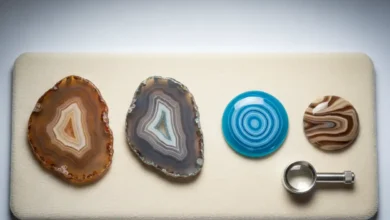
Real vs Fake Agate: 9 Easy Ways to Spot Authentic Stones
Real vs fake agate identification begins with an important distinction: not every unnaturally colored agate is fake. Genuine natural agate…
Read More » -
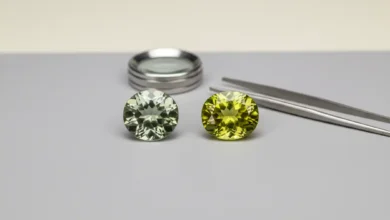
Prasiolite vs Peridot: Differences and Identification Tests
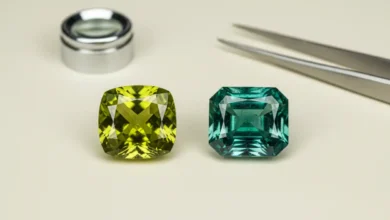
Prasiolite and peridot can both appear transparent and green, but they are unrelated gemstones. Prasiolite is green quartz, while peridot…
Read More » -
Peridot vs Emerald: Differences, Tests and Identification
Peridot and emerald can both appear vividly green, yet they are unrelated gemstones with different chemistry, optics, inclusions, treatments and…
Read More » -
Onyx vs Obsidian: Differences and Identification
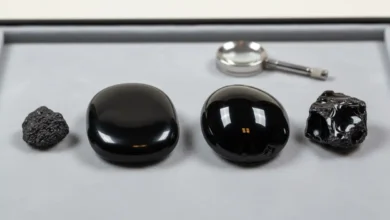
Onyx and Obsidian can both appear smooth, polished and uniformly black, making them easy to confuse in beads, cabochons, carvings…
Read More »