Identification
-

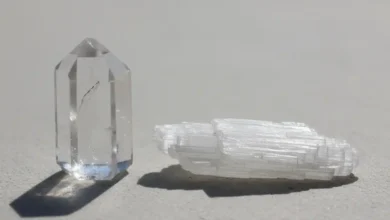
Clear Quartz vs Selenite: Differences & Which to Choose
Clear quartz vs selenite is an unusually useful comparison because the two materials can share a colorless, translucent, or transparent…
Read More » -
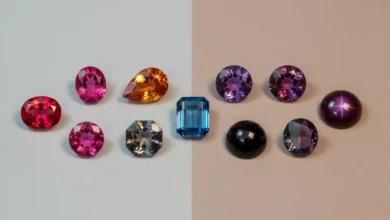
Types of Spinel: Colors and Varieties Explained
Spinel occurs in a wider range of colors than its historic reputation as a Ruby substitute suggests. Natural stones can…
Read More » -
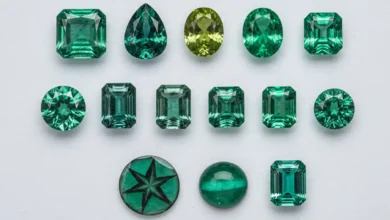
Types of Emerald: Colors and Varieties Explained
Emerald is the green-to-bluish-green gem variety of Beryl, colored primarily by chromium, vanadium or both. Within that definition, the market…
Read More » -
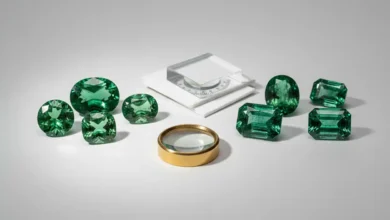
Tsavorite vs Emerald: How to Tell Them Apart
Tsavorite and Emerald can occupy a similar vivid-green color range, yet they belong to completely different mineral families. Tsavorite is…
Read More » -
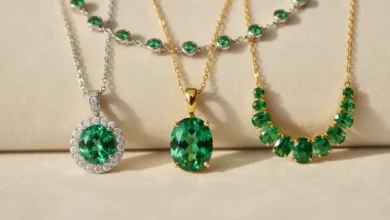
Tsavorite Necklaces and Pendants Guide
Tsavorite necklaces place vivid green Grossular Garnet in one of its safest and most visually effective settings. A pendant can…
Read More » -
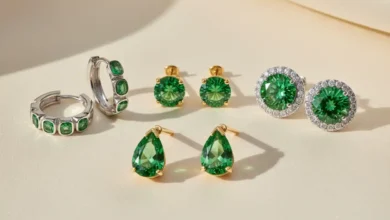
Tsavorite Earrings: A Style Guide
Tsavorite earrings place one of Garnet’s brightest green varieties in a relatively protected jewelry position. Fine stones can show lively…
Read More » -
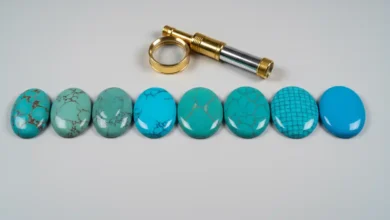
How to Spot Treated or Synthetic Turquoise
Turquoise is frequently treated because natural material can be porous, pale, chalky or structurally weak. Wax, oil, polymer, resin and…
Read More » -
How to Spot Treated or Synthetic Topaz
Most blue Topaz in modern jewelry has been treated. Colorless natural Topaz is exposed to radiation and then heated to…
Read More » -
How to Spot Treated or Synthetic Tanzanite
Most Tanzanite in the jewelry market has been heated. This routine treatment removes or reduces brown, yellow and green components…
Read More » -
How to Spot Treated or Synthetic Sodalite
Treated Sodalite has been altered after mining to deepen its blue color, improve surface luster, conceal fractures or strengthen weak…
Read More »