Identification
-

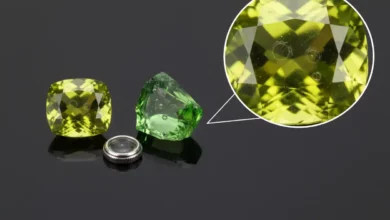
Real vs Fake Peridot: How to Tell the Difference
Real peridot has a distinctive combination of yellowish-green color, strong double refraction, relatively high density and recognizable gemological properties. However,…
Read More » -
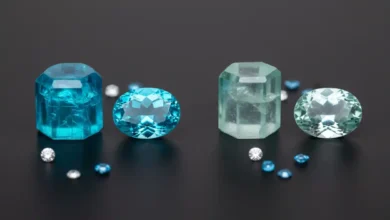
Apatite vs Aquamarine: Differences, Tests & Best Uses
Apatite vs aquamarine can be a difficult visual comparison when both stones are transparent blue or blue-green, but they are…
Read More » -
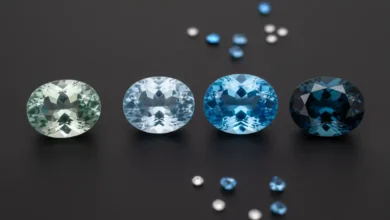
Aquamarine vs Blue Topaz: Differences, Tests & Wear
Aquamarine vs blue topaz is a deceptively difficult visual comparison because both can produce transparent blue gemstones with excellent clarity…
Read More » -
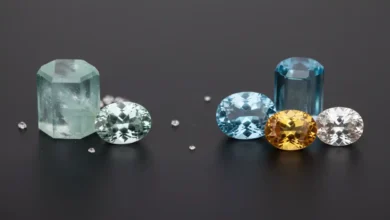
Aquamarine vs Topaz: Differences, Tests, Wear & Value
Aquamarine vs topaz is not simply a comparison between two blue gemstones. Aquamarine is the blue to greenish-blue variety of…
Read More » -
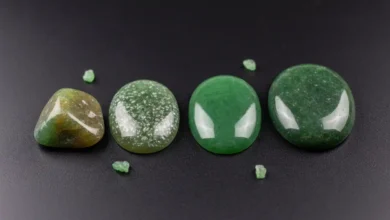
Aventurine vs Jade: Differences, Tests, Wear & Value
Aventurine vs jade can be difficult to resolve from color alone because both materials are commonly fashioned into green cabochons,…
Read More » -
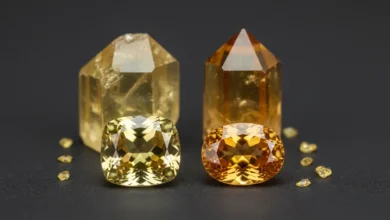
Citrine vs Yellow Topaz: Key Differences & Buying Guide
Citrine vs yellow topaz is a deceptively difficult visual comparison because both gemstones can appear transparent, bright, and nearly identical…
Read More » -
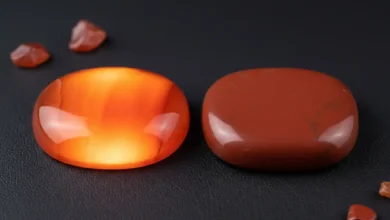
Carnelian vs Red Jasper: Tests, Wear & Buying Guide
Carnelian vs red jasper can be surprisingly difficult to judge from a polished photograph because both materials belong broadly to…
Read More » -
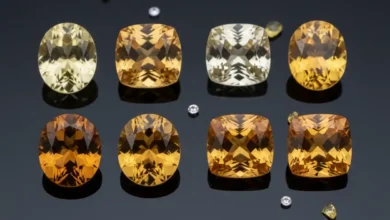
Heliodor vs Citrine: Key Differences & How to Choose
The heliodor vs citrine comparison becomes much easier once color is treated as the beginning of identification rather than the…
Read More » -
Amethyst vs Charoite: Identity, Wear & Value Compared
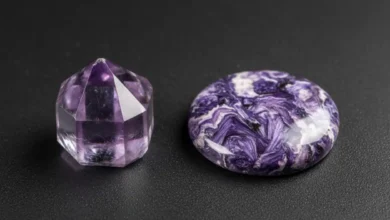
Amethyst and charoite can both produce striking violet-to-purple jewelry, yet they are fundamentally different materials. Amethyst is the purple variety…
Read More » -
Fluorite vs Amethyst: Key Differences & How to Choose
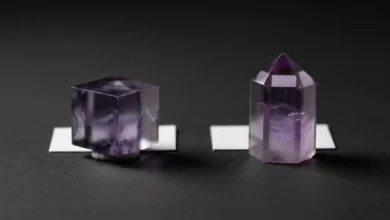
Fluorite vs amethyst can look like a simple purple-stone comparison until physical properties are considered. Purple fluorite and amethyst can…
Read More »