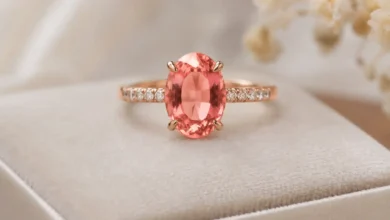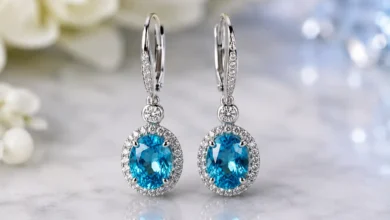

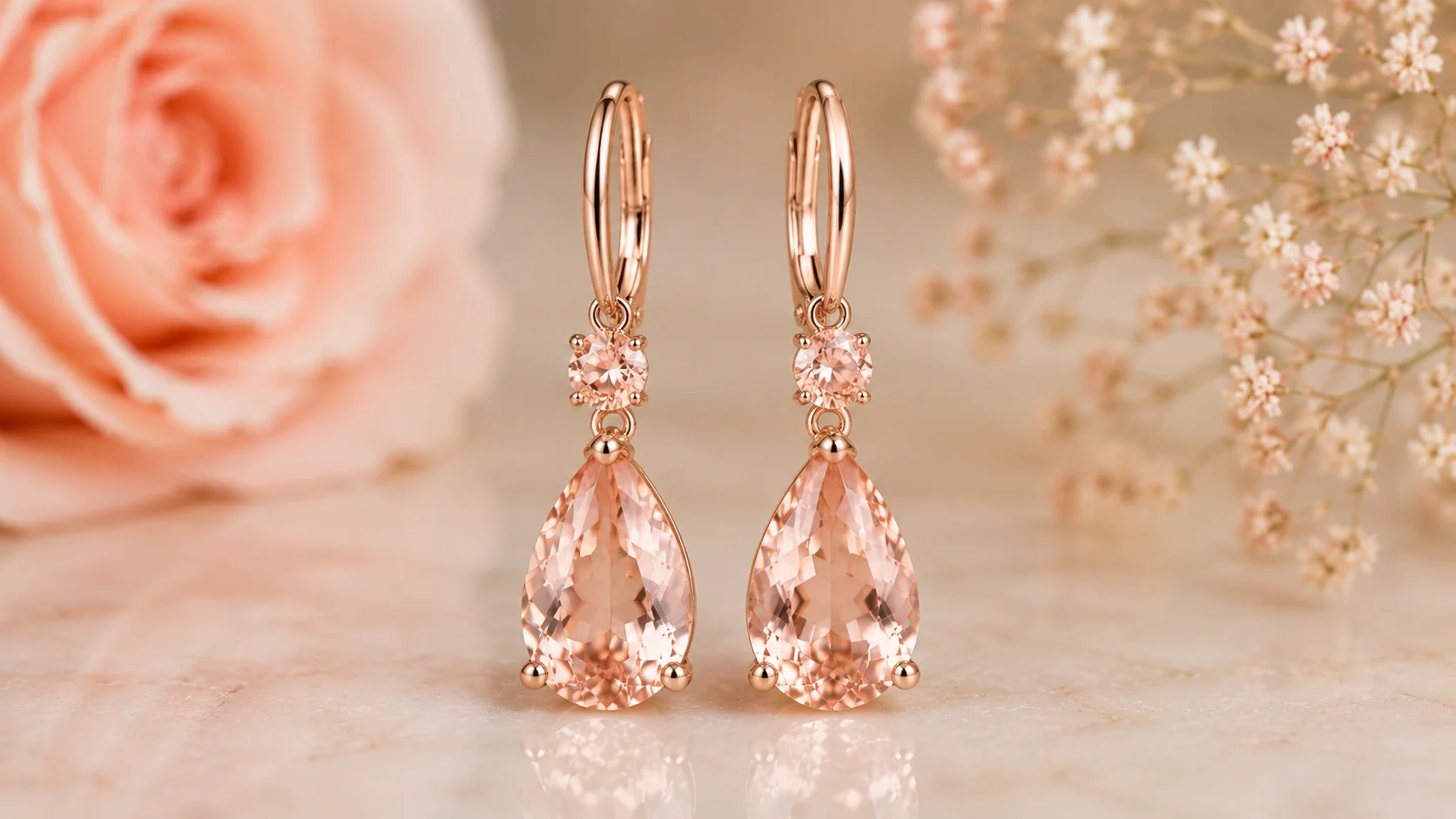

Morganite earrings frame the face with a soft, romantic pink that flatters almost every complexion, and they’re a favorite for weddings and everyday elegance alike. As a durable beryl that doesn’t fade, morganite is easy to wear, and matched pairs are simple to find. Because morganite is often pale, choose stones with enough size and color to show their blush, especially in a rose gold setting.
This guide covers morganite earrings from every angle. You’ll learn the styles, how to choose quality, and how to care for them. At Gems Lore, we want you to choose with confidence. Here’s your guide to morganite earrings.
A quick note first. This is general educational information, not appraisal advice. For fine pieces, consult a specialist.
Morganite Earrings at a Glance
- The pink flatters. A soft blush warms most complexions.
- Matched pairs are easy. Morganite is clean and consistent.
- It’s durable and stable. At 7.5 to 8, and it doesn’t fade.
- Size shows color. Bigger stones hold richer pink.
Why Morganite Earrings Flatter
Morganite has a lovely advantage as earrings. Worn beside the face, its soft pink casts a warm, flattering glow. It’s a naturally romantic effect.
The blush color complements a wide range of skin tones, adding softness and warmth. As a hard beryl, at 7.5 to 8 on the Mohs scale, morganite also handles everyday wear, and our gemstone hardness chart shows where it sits. Earrings are gentle on any gem too. That’s why morganite is a favorite for weddings and everyday wear alike, cousin to our aquamarine earrings in the beryl family.
Matched Pairs Are Easy
Here’s a practical bonus. Morganite is clean and fairly consistent in color, so pairing two similar stones is straightforward. Unlike rare or patterned gems, matching isn’t a challenge.
That means a balanced, even-looking pair is easy to find. Still, check that both earrings match closely in color depth and tone, since morganite’s paleness makes even small differences visible. In good light, compare the two side by side before buying.
Morganite Earring Styles
Morganite suits many earring designs. Its soft color shines in each.
- Studs. A single morganite close to the ear, simple and versatile.
- Halo studs. White accent stones frame and brighten the pink.
- Drops and danglers. Stones that swing and catch the light.
- Hoops. Morganite-set or accented hoops, subtle to bold.
- Chandeliers. Elaborate, cascading designs for a statement.
Your occasion should guide the style. Studs suit daily wear, while drops and chandeliers shine for weddings and events.
Choosing Morganite Color
With morganite, color is the number-one factor. Shades range from pale pink to peach and salmon, and deeper, more saturated color is the most prized.
For earrings, remember that morganite is often pale, and small stones can look nearly colorless. Choose stones with enough size to show their color, and know that rose gold settings enhance the pink. Make sure both earrings match, and pick the shade you love.
Clarity, Cut, and Treatment
Morganite is usually eye-clean, so expect transparent, inclusion-free stones. Visible inclusions lower value. A good cut brings out the color and sparkle, especially in a drop that moves.
Most morganite is heat-treated to remove yellow tints and enhance the pink. This is standard, stable, and accepted, and a reputable seller will disclose it.
Natural, Lab-Created, or Imitation?
Genuine natural morganite is what most buyers want. Synthetic morganite is uncommon in the trade.
Watch out for imitations, like pink glass, pink cubic zirconia, or pink topaz sold as morganite, especially in cheap earrings. Our lab-grown vs. natural gemstones guide explains man-made stones, and our how to spot fake crystals guide helps you catch imitations.
Choosing Metal and Earring Backs
The metal and backing complete a pair of morganite earrings. Both deserve thought. Comfort matters as much as looks.
Rose gold is the favorite, deepening morganite’s pink for a warm, romantic look, while white gold keeps it cool and yellow gold adds warmth. For sensitive ears, choose posts in gold or a hypoallergenic metal, and pick secure backs like screw-backs or lever-backs, especially for drops.
Durability and Care
Morganite earrings are easy to care for. The stone is hard, doesn’t fade, and isn’t porous, so they cope well with everyday life.
Clean them gently with mild soap and warm water, and avoid harsh chemicals. Keep them away from prolonged high heat, which could affect the color. Store them separately from harder gems, and they’ll stay beautiful for years.
How Much Do Morganite Earrings Cost?
Morganite earrings offer lovely value, even as a matched pair. Because the stone is affordable and easy to pair, two well-matched gems don’t carry a premium. Simple studs cost relatively little.
Price rises mostly with the depth of color, then size and clarity. Larger drops with deeper color in gold cost more than small pale studs. The metal and setting add to the total. Overall, morganite earrings deliver romantic beauty for a friendly price.
Where to Buy Morganite Earrings
Where you buy still matters. Choose reputable sellers with clear disclosure of treatment, and who match pairs well. Look for honest descriptions and clear photos.
Read reviews and ask questions. A good seller confirms the stones are natural morganite, not glass or CZ. For fine pieces, ask about certification, as our gemstone certification guide explains. Our how to buy gemstones online guide covers safe buying step by step.
Frequently Asked Questions
Are morganite earrings easy to match as a pair?
Yes. Morganite is clean and fairly consistent in color, so pairing two similar stones is straightforward, unlike rare or patterned gems. Just check that both earrings match closely in color depth and tone, since morganite’s paleness makes small differences more visible.
Are morganite earrings durable?
Yes. Morganite is hard, at 7.5 to 8 on the Mohs scale, and earrings are gentle on any gem since they avoid knocks. Its color is also stable and won’t fade, and it isn’t porous, so hair products won’t harm it. That makes morganite earrings very low-maintenance.
Why do morganite earrings sometimes look pale?
Morganite is naturally a soft, light pink, and small stones hold less color, so they can look nearly colorless. Choosing stones with enough size, and a rose gold setting, brings out a richer pink. For deeper color, go larger and warmer in metal.
Are morganite earrings good for a wedding?
Yes. Morganite’s soft, romantic pink is a popular choice for brides and bridesmaids, pairing beautifully with rose gold. It’s durable enough to wear all day and beyond the wedding, and its gentle color flatters a wide range of complexions and dresses.
Do morganite earrings fade?
No. Unlike rose quartz or amethyst, morganite’s color is stable and does not fade with normal sun exposure, so it’s easy to wear often. Only prolonged, intense heat should be avoided, as it could affect the color over long periods.
Where to Go From Here
Morganite earrings are easy to love: the soft pink flatters everyone, matched pairs are simple, and the stone is durable and stable. Choose enough size and color to show the blush, pair them with a flattering metal, and you’ll have earrings for everyday and special days alike.
Building a set? Our morganite rings, morganite necklaces, and morganite bracelets guides help you coordinate. To learn more, see our morganite meaning guide. Exploring other pink gemstone earrings? See our rose quartz earrings and amethyst earrings guides, or browse our crystal meanings chart and types of gemstones guide.
Thinking of buying morganite earrings? Tell us your dream style in the comments.
This guide is for general educational purposes and is not appraisal advice. For fine or collectible pieces, consult a qualified gemologist or jeweler.