

Garnet is found on every continent, which is one reason common red garnet is so affordable. Major sources include India, Africa, Brazil, Sri Lanka, and the United States, while the rarer, more valuable varieties come from specific places: green tsavorite from Kenya and Tanzania, and fiery demantoid from Russia and Namibia. Where a garnet comes from can shape both its variety and its value.
This guide maps garnet’s origins from every angle. You’ll learn the key sources for each type and why origin matters. At Gems Lore, we want you to shop with confidence. Here’s where garnet is found.
A quick note first. This is general educational information, not appraisal advice.
Garnet Sources at a Glance
- Red garnet. India, Sri Lanka, Brazil, the US, Madagascar, and historically Bohemia.
- Rhodolite. Sri Lanka, Tanzania, and elsewhere in East Africa.
- Spessartine (orange). Namibia, Mozambique, and Nigeria.
- Green garnets. Tsavorite from Kenya and Tanzania; demantoid from Russia and Namibia.
A Truly Global Gem
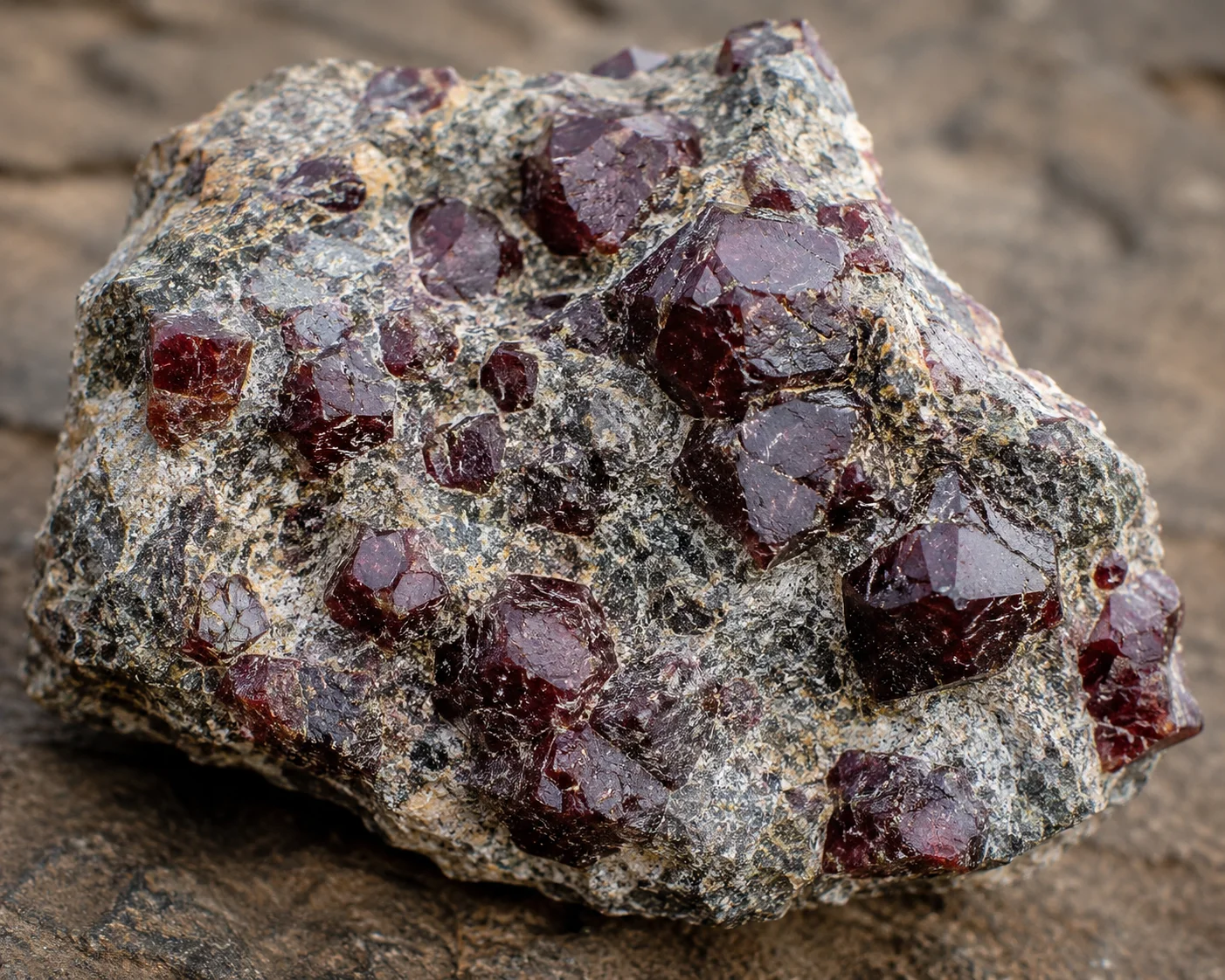
Garnet forms in many geological settings, which is why it’s found worldwide. This abundance is a big reason common red garnet stays so affordable, as our garnet price guide explains.
Because so many countries produce garnet, supply is steady and prices for red varieties are low. The rarer colors, though, come from just a few deposits, which is what makes them valuable. So origin ties directly to both variety and price.
Sources for Red Garnet
The classic red garnets, almandine and pyrope, come from many places. India is a major producer of almandine, along with Sri Lanka, Brazil, Madagascar, and the United States.
Historically, fiery pyrope from Bohemia, in today’s Czech Republic, fueled the famous Victorian garnet jewelry covered in our garnet history guide. This wide distribution keeps red garnet abundant and budget-friendly around the world.
Sources for Rhodolite and Spessartine
The mid-market garnets have their own hot spots. Rhodolite, the raspberry variety, comes largely from Sri Lanka, Tanzania, and other parts of East Africa.
Spessartine, the orange variety, is famously mined in Namibia and Mozambique, whose “mandarin” material sets the standard, as well as Nigeria. These African deposits have driven the rising popularity of vivid orange garnet in recent decades.
Sources for Green Garnets
The rare and valuable green garnets come from very specific places. Tsavorite was discovered near the Kenya-Tanzania border and is still mined around Tsavo National Park, which gave it its name.
Demantoid, the fiery green andradite, comes from Russia’s Ural Mountains, prized for “horsetail” inclusions, as well as Namibia and Madagascar. Because these deposits are limited, green garnets are far scarcer and pricier than red, as our types of garnet guide describes.
Why Origin Matters
For most red garnet, origin has little effect on price, since it’s abundant everywhere. But for fine, rare garnets, source can matter a great deal.
Russian demantoid and Kenyan tsavorite carry prestige for their quality and history, and can command a premium. For valuable stones, a report confirming variety and origin supports the price, as our garnet buying guide explains. For everyday red garnet, though, origin is mostly a point of interest.
Frequently Asked Questions
Where does most garnet come from?
Common red garnet comes from many countries, including India, Sri Lanka, Brazil, Madagascar, and the United States. This global abundance keeps red garnet affordable. Rarer varieties come from specific places, such as green tsavorite from Kenya and Tanzania and demantoid from Russia and Namibia.
Where is the most valuable garnet found?
The most valuable garnets are green. Tsavorite comes from Kenya and Tanzania, near Tsavo National Park, while prized demantoid comes from Russia’s Ural Mountains, along with Namibia and Madagascar. These limited deposits make green garnets far rarer and more expensive than abundant red garnet.
Is garnet mined in the United States?
Yes. The United States produces garnet, including gem and industrial material, with notable deposits in states such as Arizona, New York, and Idaho. American garnet is often almandine or pyrope red. Much of the world’s industrial garnet, used as an abrasive, is also mined in the US.
Does where garnet comes from affect its price?
For common red garnet, origin has little effect, since it’s abundant worldwide. For rare garnets, origin can matter a lot: Russian demantoid and Kenyan tsavorite carry prestige and can command a premium, and a report confirming origin supports the value of fine stones.
Where to Go From Here
Garnet’s worldwide sources explain both its affordability in red and its rarity in green, with specific deposits behind the family’s most prized colors. Origin is a point of interest for everyday garnet and a real value factor for the finest stones.
Explore more in our garnet meaning guide and the variety and history guides linked above, or view styles in our garnet ring guide.
Know a garnet’s origin story? Share it in the comments.